Engineering Resilient Water Systems for a Changing World
Water is one of humanity’s most valuable resources—and managing it effectively has never been more important. From agricultural fields and urban landscapes to highways, industrial zones, coastal regions, and flood-prone areas, efficient drainage systems play a critical role in sustainable development and environmental resilience. Drainage Engineering is a comprehensive reference that combines fundamental engineering principles with cutting-edge technologies, offering a complete guide to the planning, design, analysis, and management of modern drainage systems. Written by internationally renowned drainage expert Dr. O. P. Singh, this book serves as an essential resource for engineers, researchers, students, consultants, policymakers, and infrastructure planners.
Dr. O. P. Singh is a distinguished scientist, educator, and internationally respected consultant with more than five decades of experience in irrigation, drainage engineering, GIS, and remote sensing applications. Throughout his illustrious career, he has held several prestigious leadership positions, including:
Principal Scientist & Head, Irrigation and Drainage Engineering, CSSRI Karnal
Head, Agricultural Engineering Division, IARI New Delhi
A globally recognized authority in water management and drainage systems, Dr. Singh has successfully led and advised numerous national and international projects funded by organizations such as:
World Bank
Asian Development Bank (ADB)
New Development Bank (NDB)
Japan International Cooperation Agency (JICA)
His professional contributions extend across India, Afghanistan, Cambodia, and Ethiopia, where he has provided strategic consultancy on irrigation, drainage, flood management, and sustainable water resource development. Dr. Singh holds a Ph.D. in Civil Engineering from JNTU Hyderabad and an M.Tech from GB Pant University of Agriculture & Technology, Pantnagar. Currently, he serves as a consultant for the World Bank-assisted BWSIMP Project in Bihar and advises on major flood mitigation and groundwater recharge initiatives in the National Capital Region.
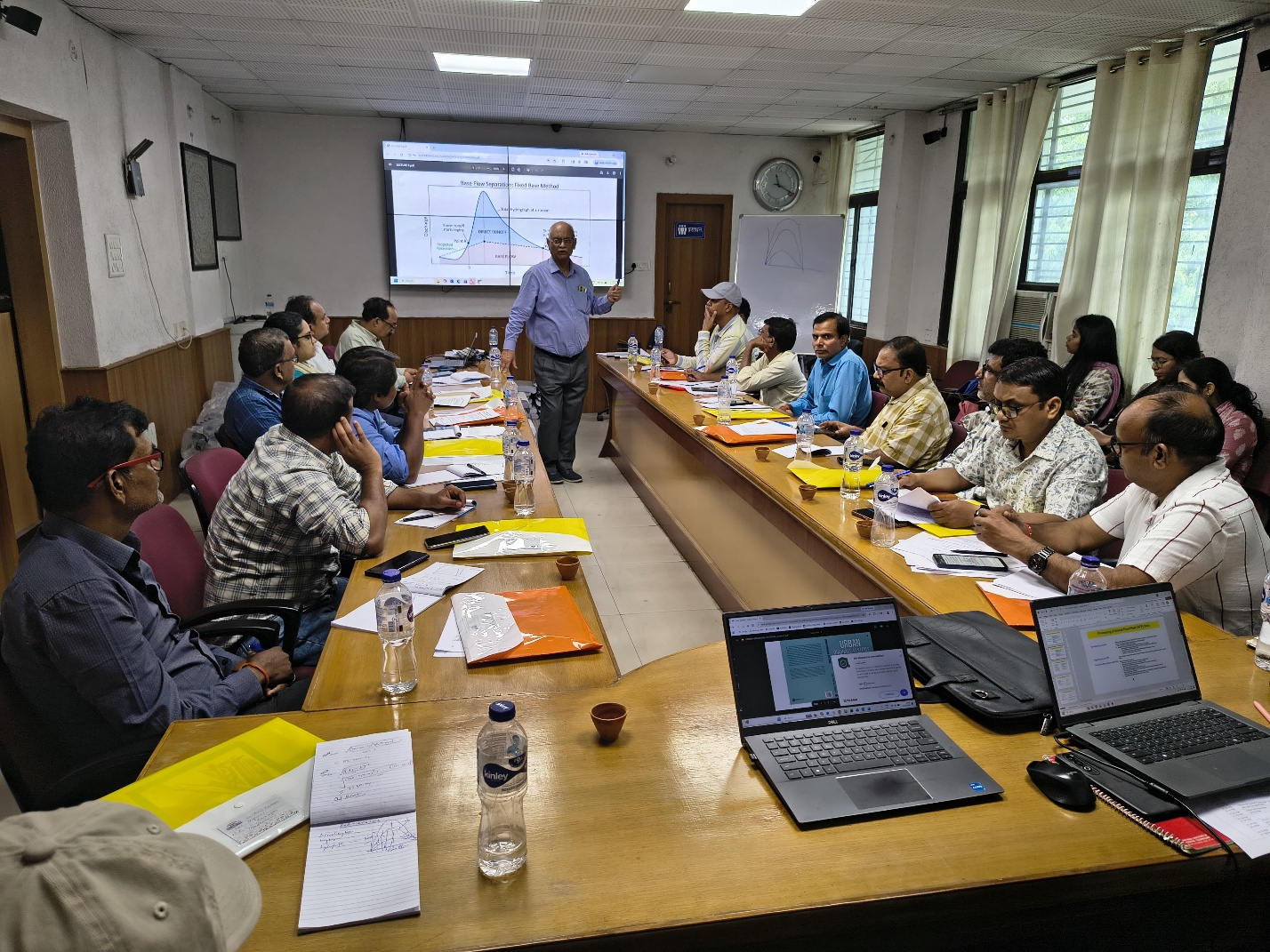
Leading Capacity Building & Professional Training Beyond his contributions to research, consultancy, and infrastructure development, Dr. O. P. Singh actively mentors and trains engineering professionals involved in large-scale water resource projects.
Dr. Ompal leads a hydrology training session for engineers working on the World Bank-assisted BWSIMP project in Bihar, fostering technical excellence, knowledge sharing, and collaborative learning among project professionals. Through such initiatives, he continues to strengthen institutional capacity and promote best practices in hydrology, drainage engineering, flood management, and sustainable water resource planning.
About the books
1. Drainage Engineering
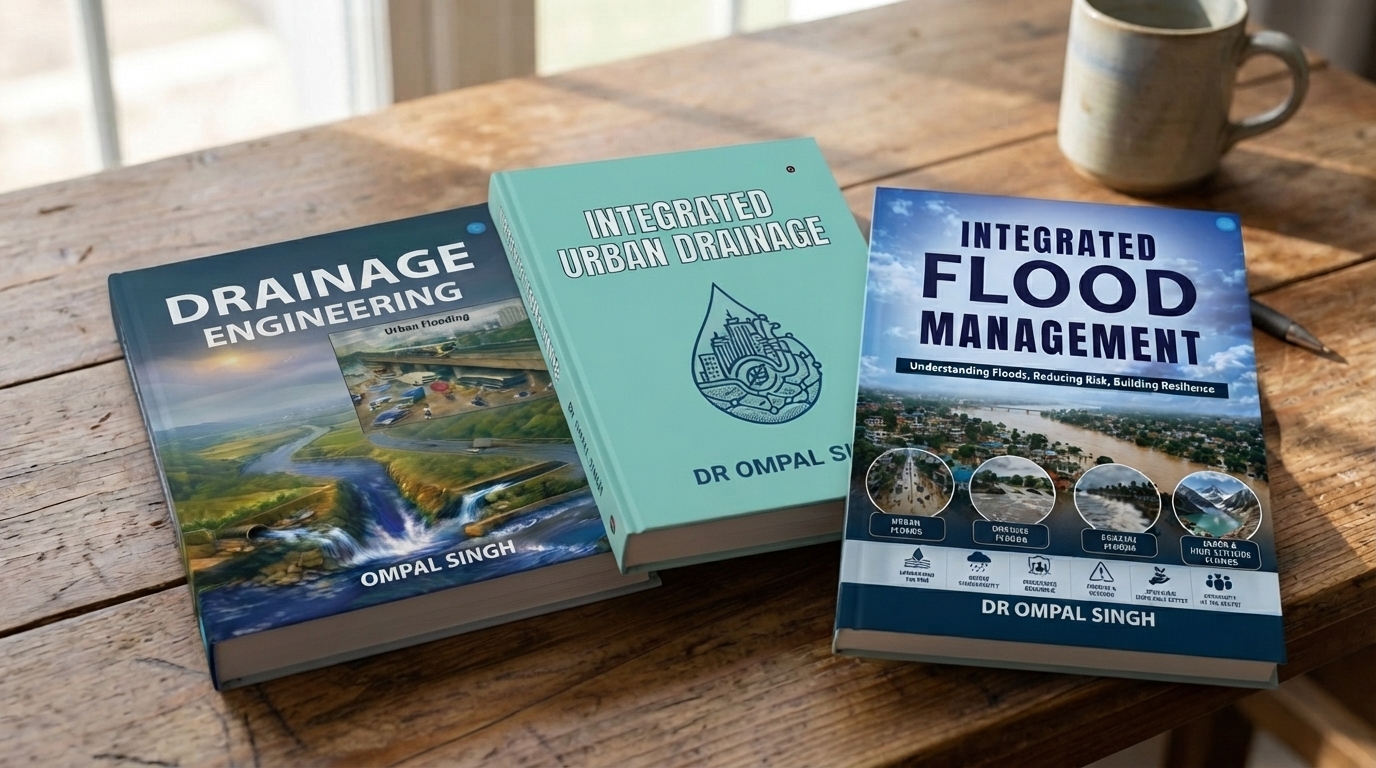
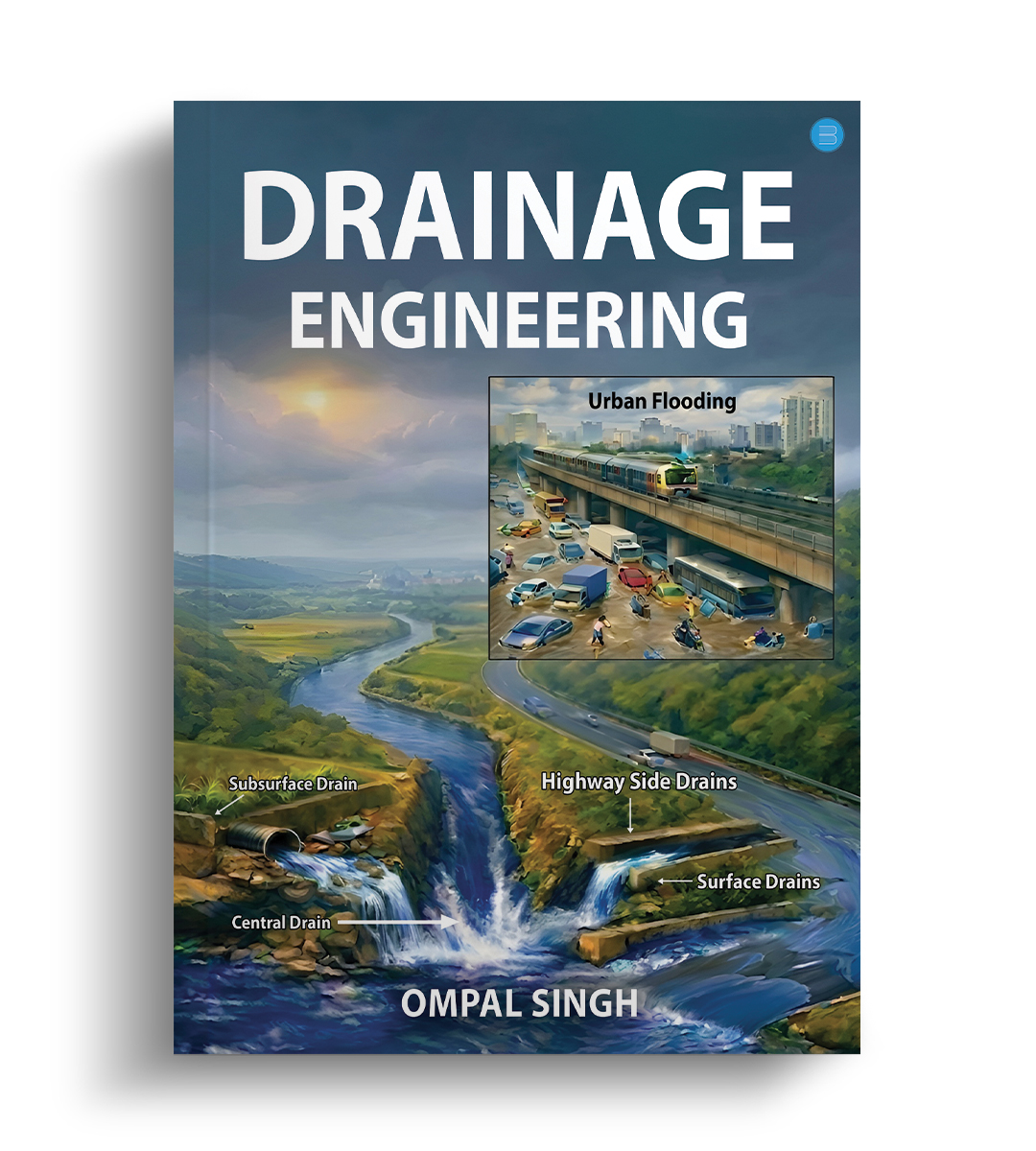
Drainage Engineering is a comprehensive and forward-looking reference that presents the principles, methodologies, technologies, and practical applications that define modern drainage engineering. The book covers the complete spectrum of drainage systems across natural and built environments, offering both theoretical foundations and practical engineering solutions. Major topics include:
Hydrology and watershed analysis
Surface drainage systems
Subsurface drainage systems
Vertical drainage methods
Agricultural drainage engineering
Urban stormwater drainage
Coastal and industrial drainage
Transportation drainage systems
Mine drainage engineering
Flood management and flood routing
What distinguishes this book is its integration of traditional engineering concepts with emerging technologies that are transforming water management worldwide. Readers gain insights into GIS, remote sensing, modeling and simulation tools, climate adaptation strategies, digital transformation, and artificial intelligence applications in drainage engineering.
Addressing Today's Water Management Challenges
1. Comprehensive Coverage
Provides an end-to-end understanding of drainage engineering across agricultural, urban, industrial, and environmental applications.
2. Bridges Theory and Practice
Combines scientific principles with real-world engineering design and implementation strategies.
3. Technology-Driven Solutions
Explores advanced tools including GIS, remote sensing, AI, and digital modeling systems.
4. Supports Sustainable Development
Promotes resilient infrastructure and efficient water resource management for future generations.
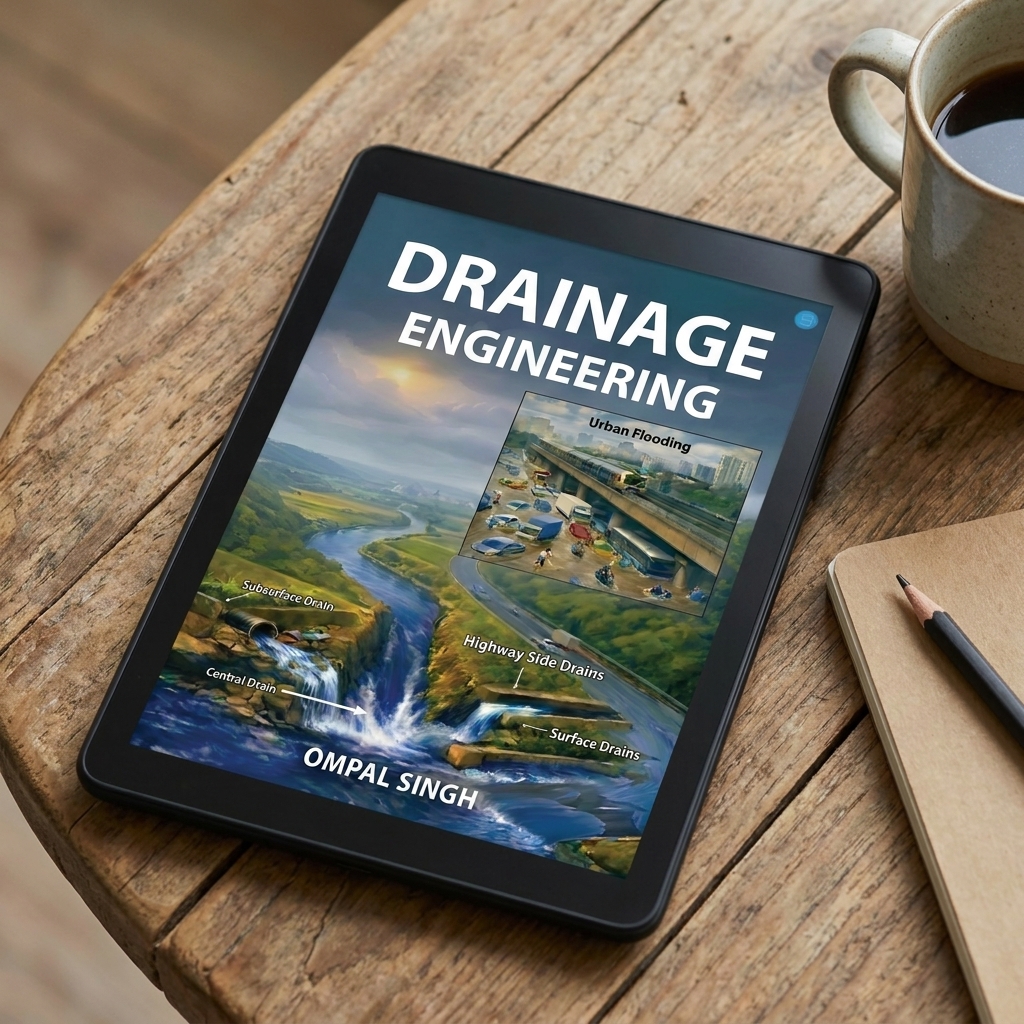
Drainage Engineering provides the knowledge, tools, and vision needed to design smarter, more resilient water management systems. Buy eBook from google play and kindle and enjoy the reading.
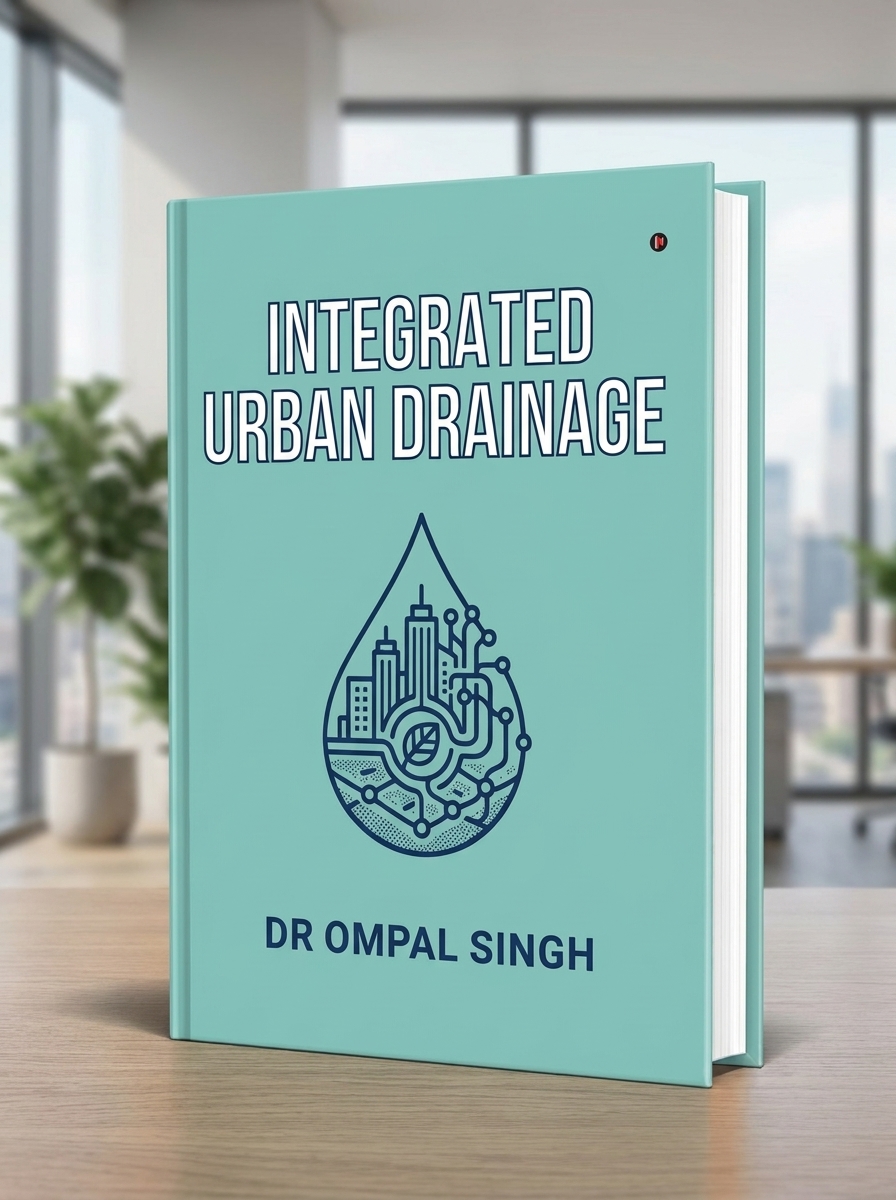
2. Integrated Urban Drainage
Integrated Urban Drainage offers a groundbreaking look at why cities flood and how to build climate-resilient urban futures. Integrated Urban Drainage reveals how water, infrastructure, and urban growth are deeply interconnected, shaping the very resilience and liveability of our cities. It moves beyond traditional engineering to prove that effective drainage is not just about building bigger open or pipe drains —it is about understanding complex, interconnected systems. From the transformation of natural landscapes into dense concrete jungles to the cascading impacts of roads, impervious surfaces, and underground infrastructure congestion, the book meticulously explains how drainage problems evolve—and why they so often culminate in catastrophic flooding and system failure. Drawing on vivid, real-world examples from major Indian hubs and rapidly growing centers— the book demonstrates exactly how common planning gaps and governance challenges lead to recurring urban water crises.
Key Highlights of the Book:
Systems-Thinking Approach: Blends core engineering principles with urban planning, environmental insight, and governance realities.
Asset Protection: Highlights the critical, often-ignored role of natural drainage assets and topography.
Forward-Looking Solutions: Offers practical frameworks for integrated infrastructure planning and climate-resilient design.
Actionable Guidance: Serves as a clear, structured, and practical guide to understanding urban drainage as a foundational city service.
Effective drainage is not just about building drains—it is about understanding systems.
This book is essential for building cities that can withstand the dual pressures of rapid urbanization and a changing climate."
Who Is This Book For?
1. Students & Academics
looking for a comprehensive, systems-based textbook on modern urban hydrology and planning.
2. Practitioners & Engineers
seeking to design infrastructure that works with
nature rather than against it.
3. Policymakers & Urban Planners
aiming to close governance gaps and prevent
the next major urban flood.
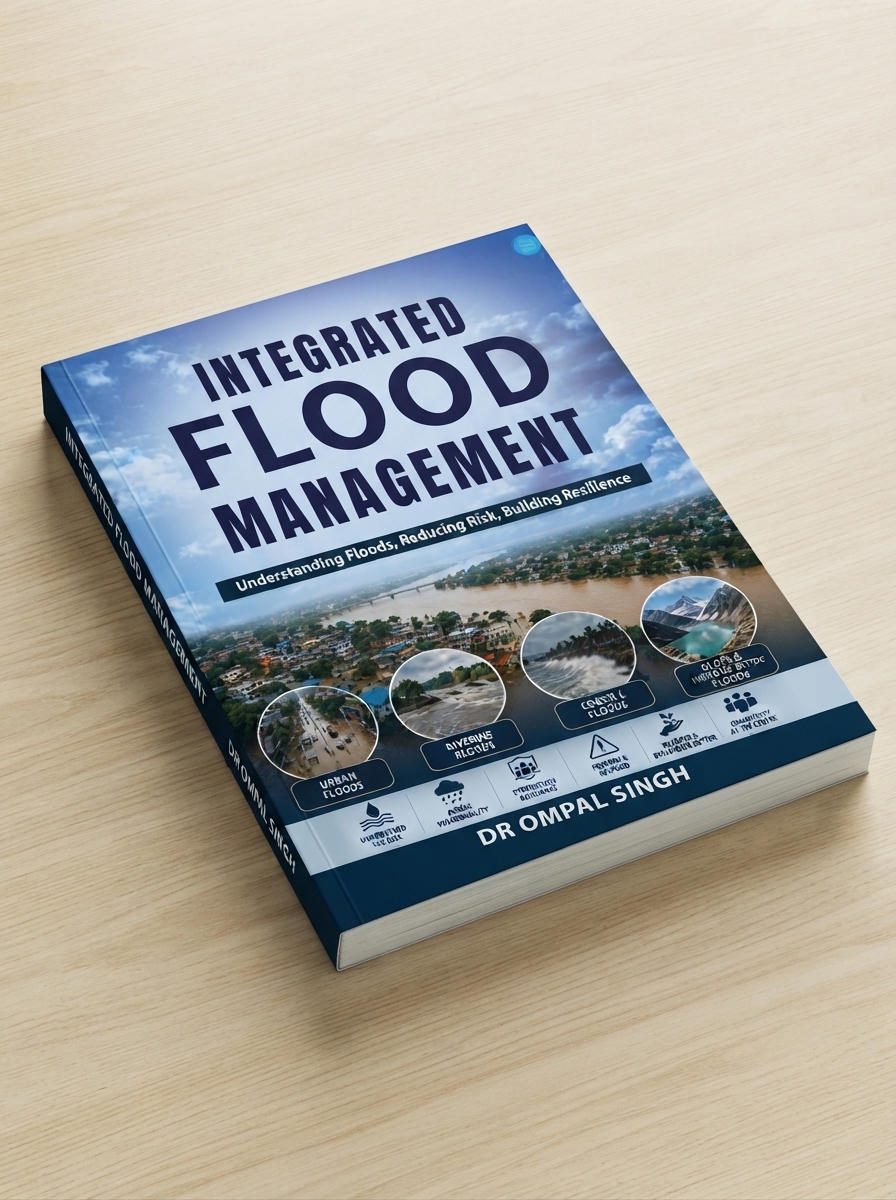
Floods are among the world’s most frequent natural hazards. While they are natural events, they become devastating disasters when vulnerable communities, infrastructure, and ecosystems are exposed without adequate planning and preparedness. Integrated Flood Management provides a comprehensive understanding of flood science, disaster management, climate resilience, and sustainable flood mitigation strategies. The book explores:
Causes of Floods
Types of Floods
Flood Hazards
Vulnerability & Exposure
Climate Change Impacts
Disaster Risk Reduction
Hydrological Processes
Flood Forecasting
Structural & Non-Structural Mitigation Measures
Community-Based Flood Management
Through detailed explanations and real-world case studies—including the Kerala Floods (2018) and the Kedarnath Disaster (2013)—the book demonstrates how environmental degradation, rapid urbanization, poor planning, and changing climate patterns intensify flood risks. It also examines India’s institutional framework for flood management, highlighting the contributions of organizations such as: Central Water Commission (CWC), National Disaster Management Authority (NDMA), Ministry of Jal Shakti, State Governments. By combining scientific concepts with policy, planning, and community participation, the book presents flood management as a continuous process of prevention, preparedness, response, recovery, and long-term resilience.
Why Read This Book?
1. Comprehensive & Research-Based
Gain a clear understanding of flood hazards, hydrology, climate change, disaster management, and resilience through scientifically accurate yet accessible explanations.
2. Real-World Case Studies & Practical Insights
Learn from major flood events such as the Kerala Floods and Kedarnath disaster while exploring effective mitigation strategies and policy frameworks.
3. Essential for Students & Professionals
Whether you're studying environmental science, civil engineering, geography, disaster management, or public policy, this book provides valuable knowledge for both academic learning and practical application.